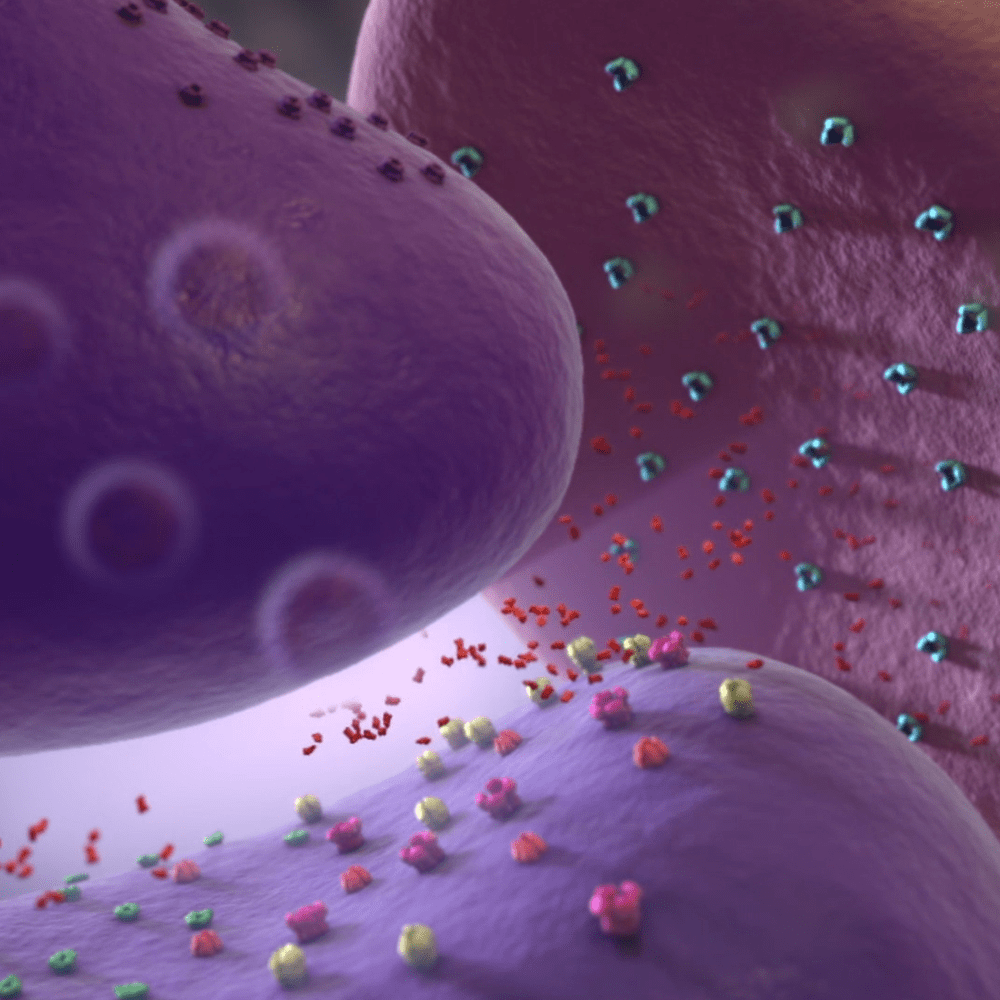
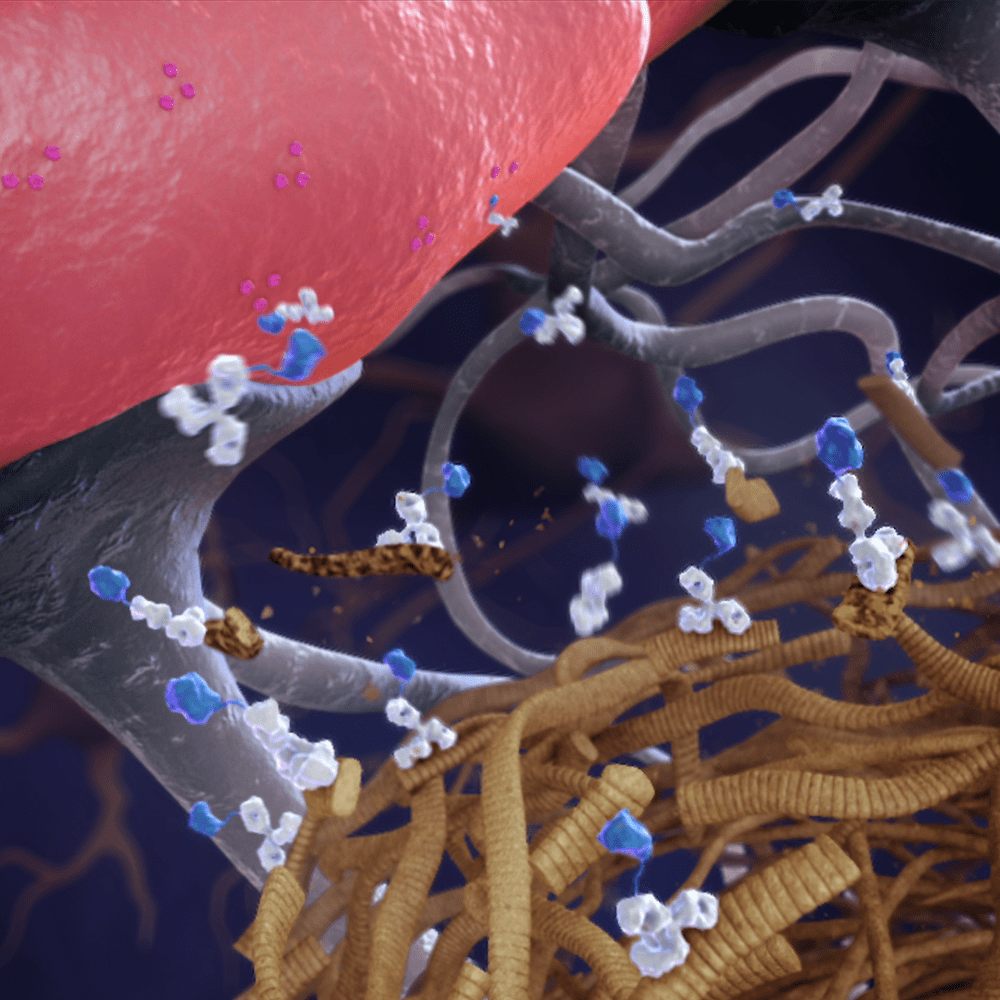
XVIVO created an animation that provides a 30,000-foot overview of neurophysiological signaling in the human brain to help the team at Neuralink describe the science that underpins their brain-machine interface development.
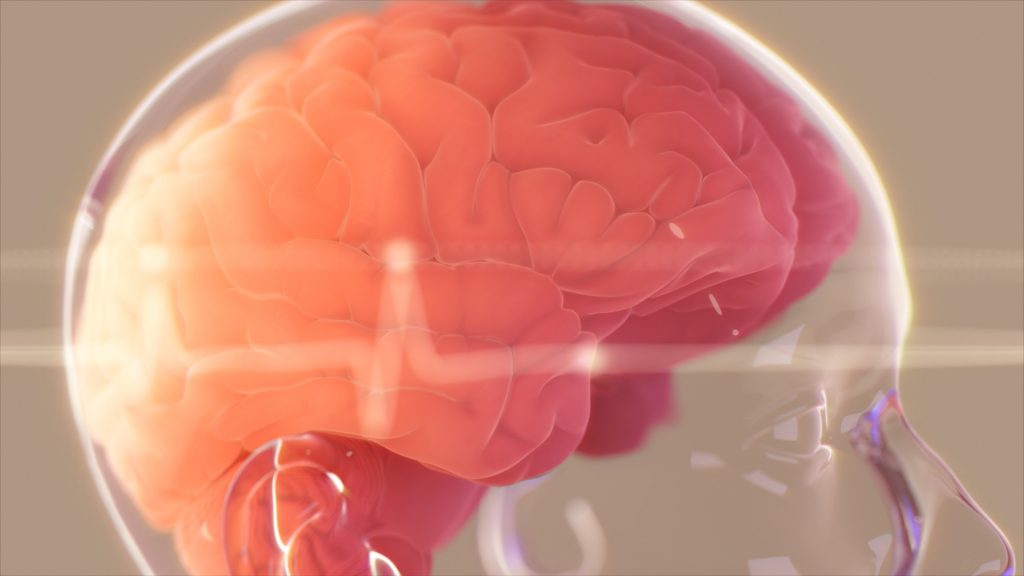
Neuralink is developing a brain-machine interface that can simultaneously record from specific brain areas, interpret the incoming neurological signals, and selectively stimulate regions of the brain to elicit specific desired responses.
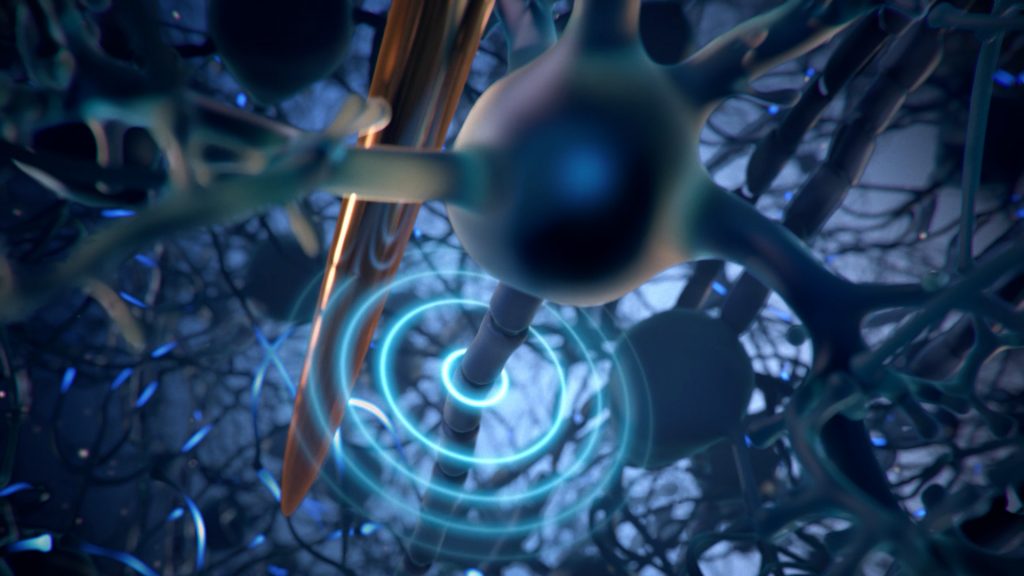
Brain-machine interfaces (BMI) are designed to perform tasks such as translating neuronal information into control instructions for an external computer or prosthetic arm. In principle, patients with brain disorders as varied as Parkinson’s disease, spinal cord injury, or sensory impairment could benefit from a device similar to Neuralink’s BMI. The first application of the Link will be to help people with paralysis regain independence through brain control of computers and mobile devices to assist them with communication.
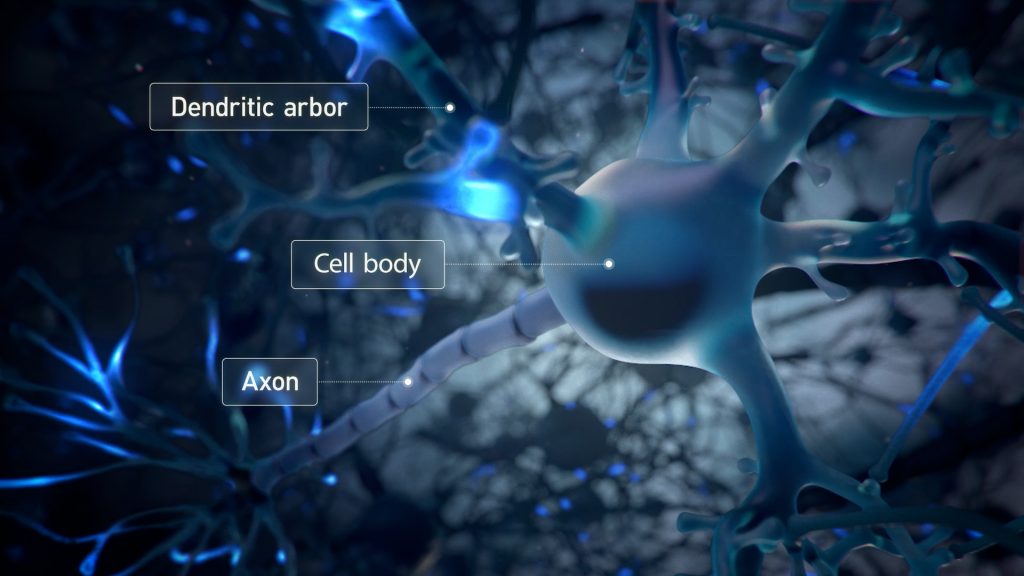
While it is no easy task to animate the structure and function of something as complicated as the human brain, XVIVO delicately balanced scientific accuracy with visual clarity to help contextualize Neuralink’s work. Learn more about this animation in our blog, Peering into the Brain: Neuralink’s brain-machine interface.
Related Animations