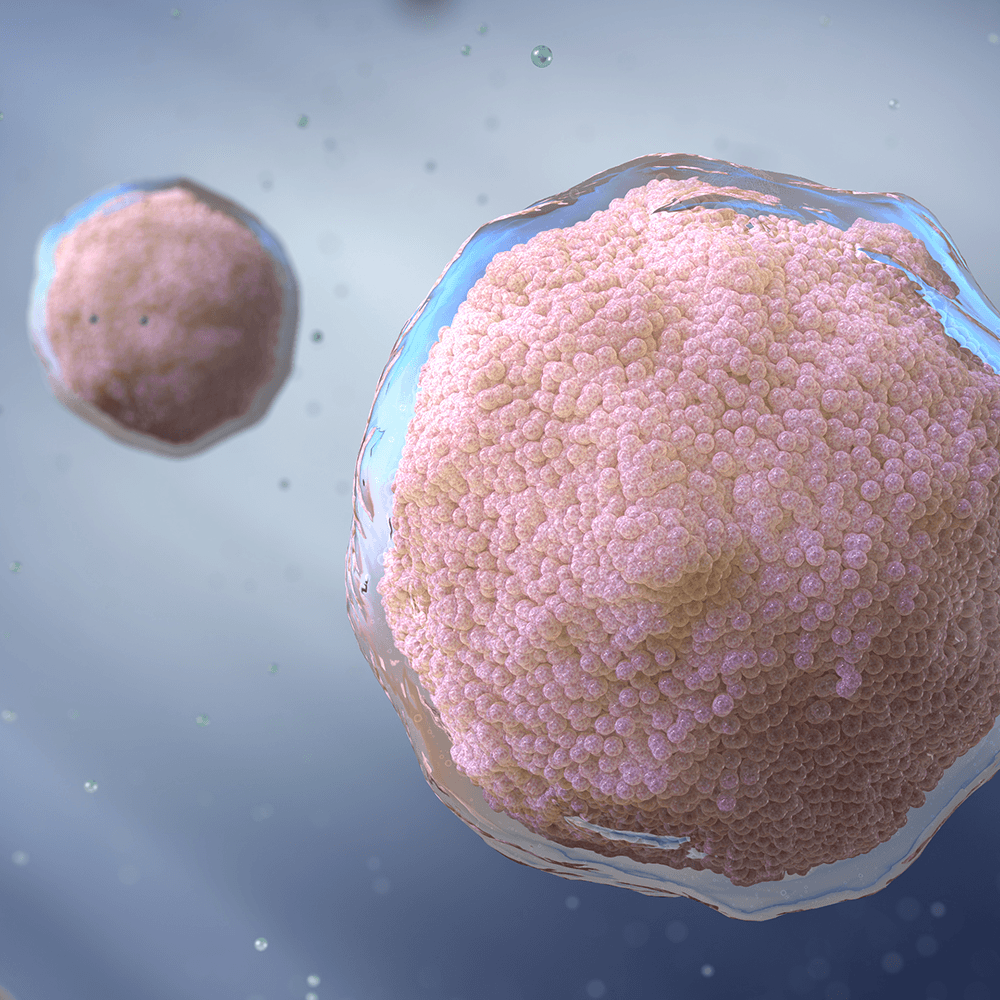
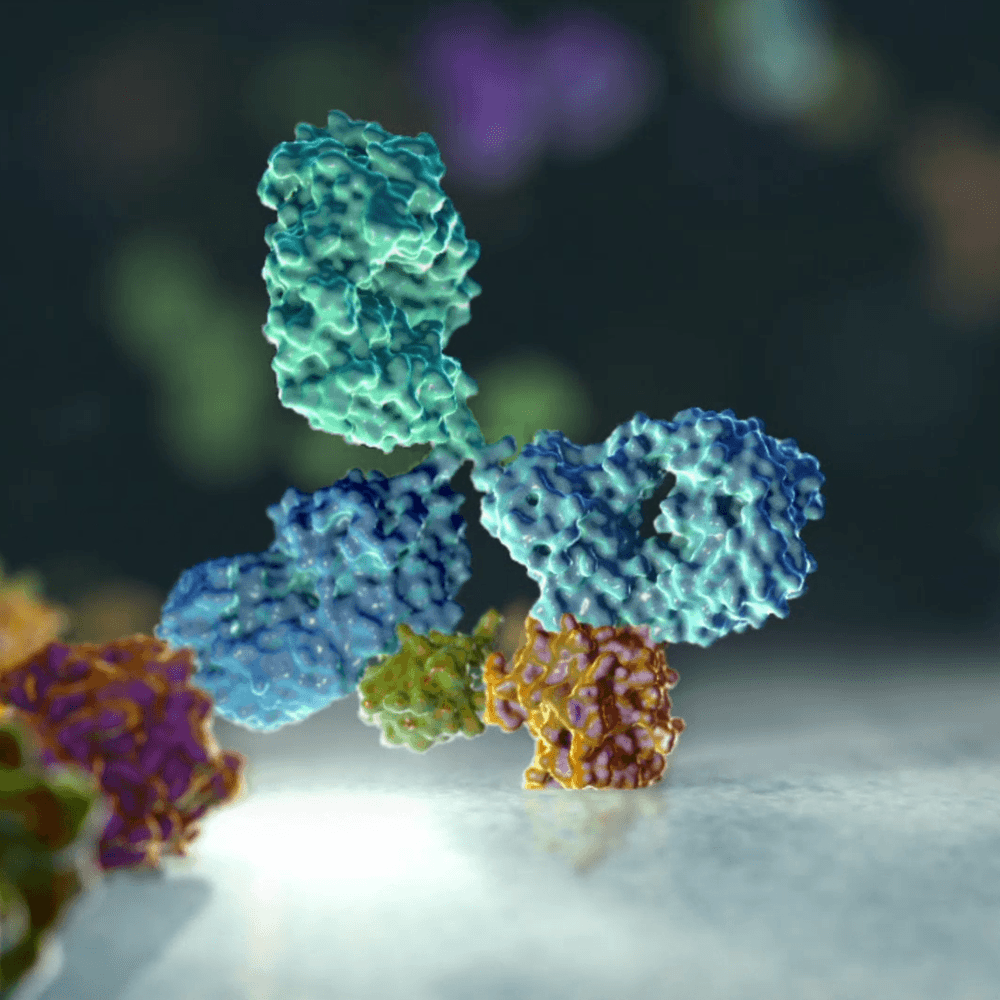
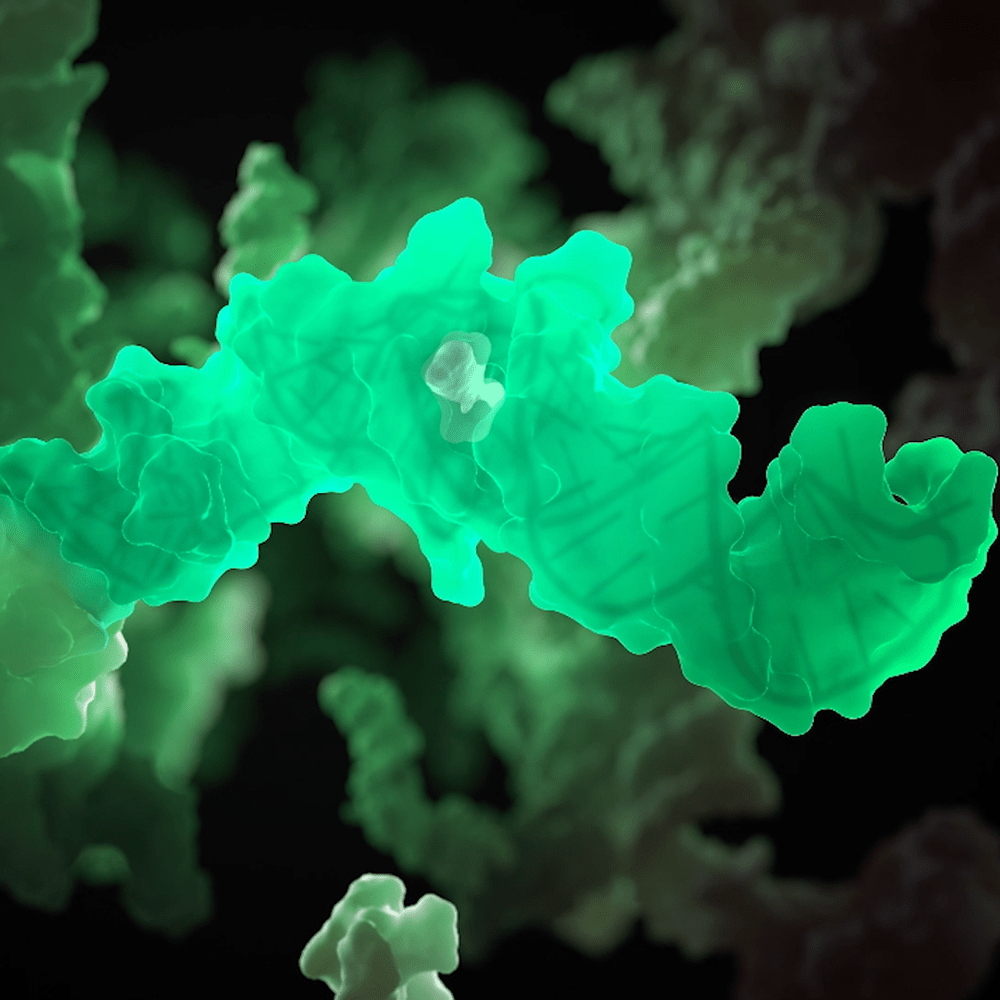
What if a disease could be treated by diving into a cell to edit the DNA causing the disease? That may be a reality in the not-to-distant future for many diseases thanks to a new program at the National Institutes of Health (NIH).
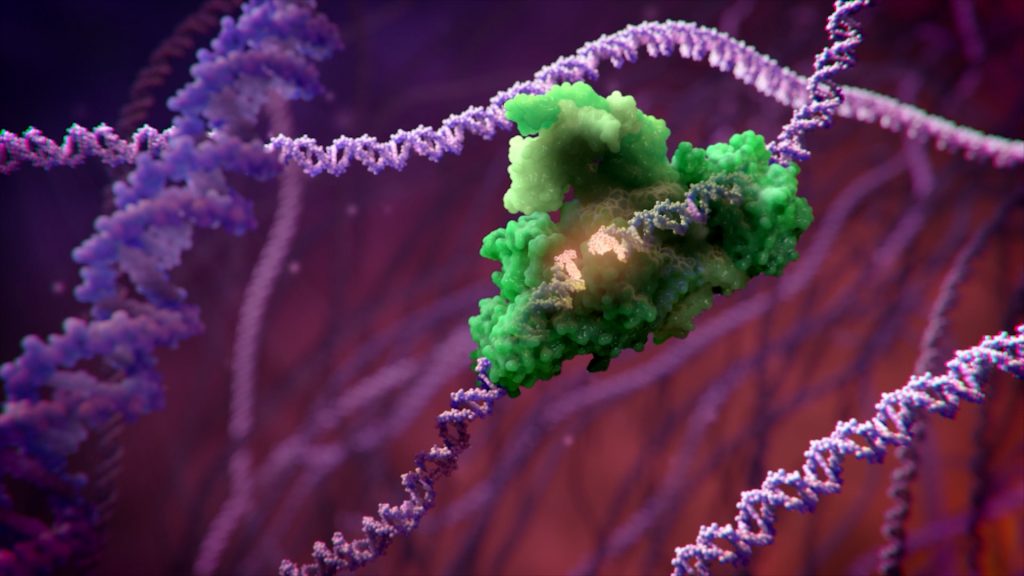
The Somatic Cell Genome Editing (SCGE) program aims to make that happen. The SCGE program was launched by the NIH in January 2018 to develop quality tools and perform safe and effective genome editing in human patients.
Colleagues at SCGE looked to XVIVO to help communicate the nuances of genetic editing of somatic cells to a broad audience – from the general public to lawmakers to researchers looking for NIH funding. XVIVO approached this project by using detailed and scientifically-accurate visuals to show the possible mechanisms of somatic cell genome editing that describes the process in more general terms.

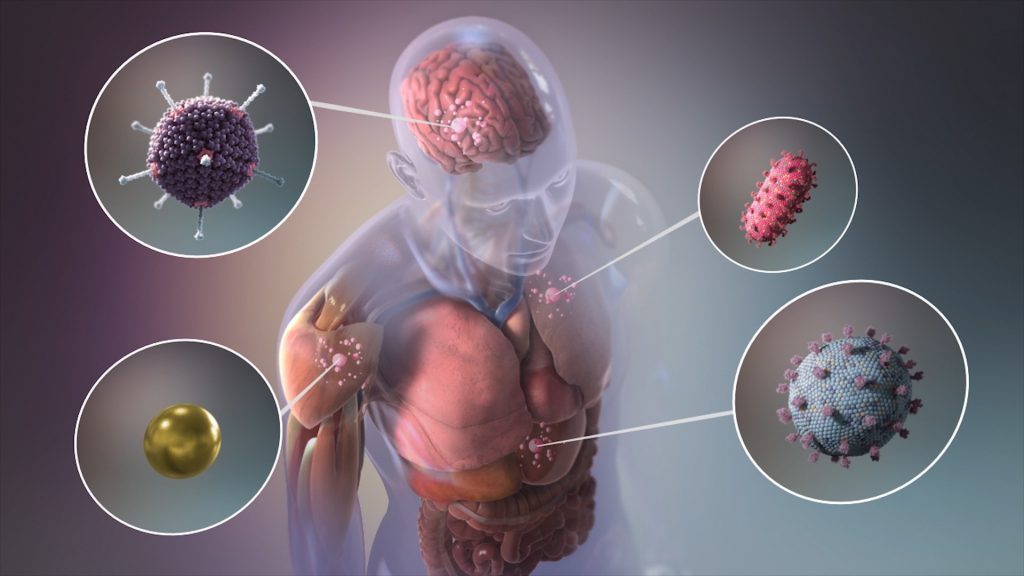
The team at XVIVO was delighted to continue our collaboration with NIH on this video, and to help the public and researchers become more aware of the gene editing resources available at NIH.
Learn more about this animation in our blog, Snip, Snip: New Genome Editing Tools in Development.
Related Animations