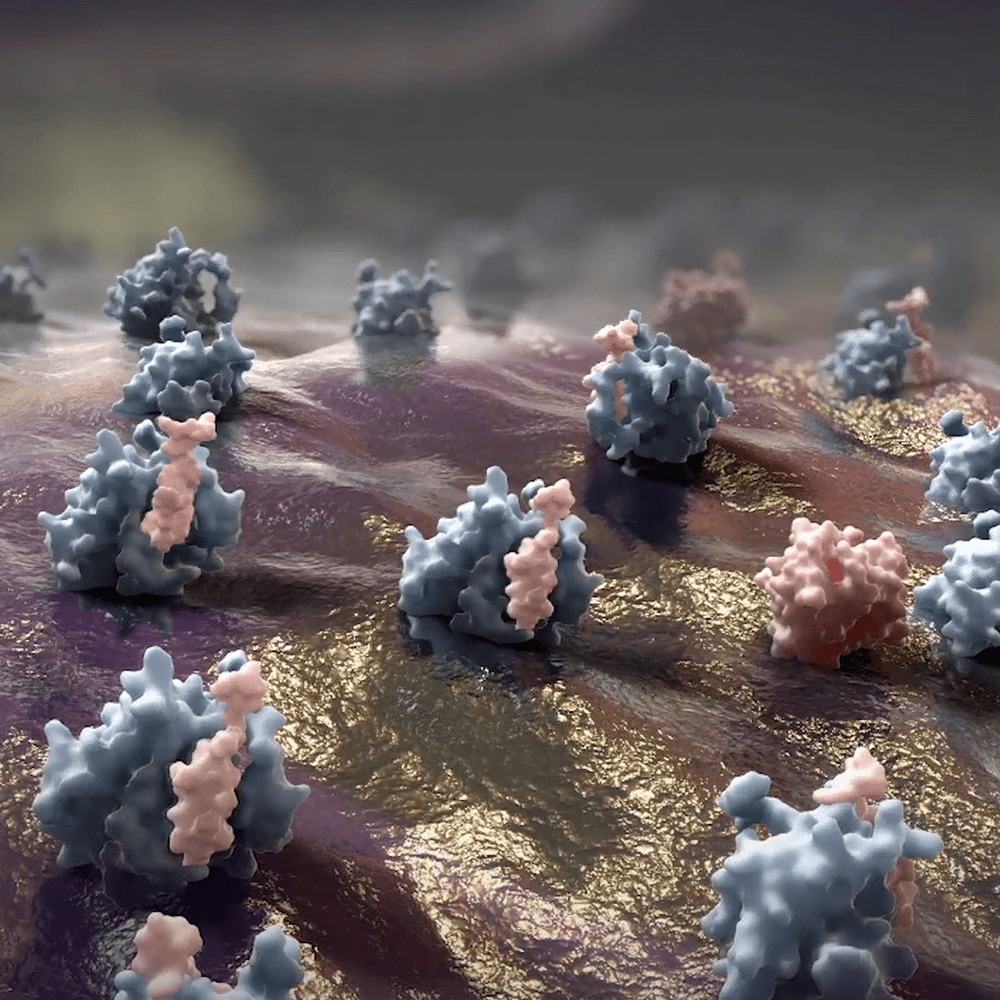
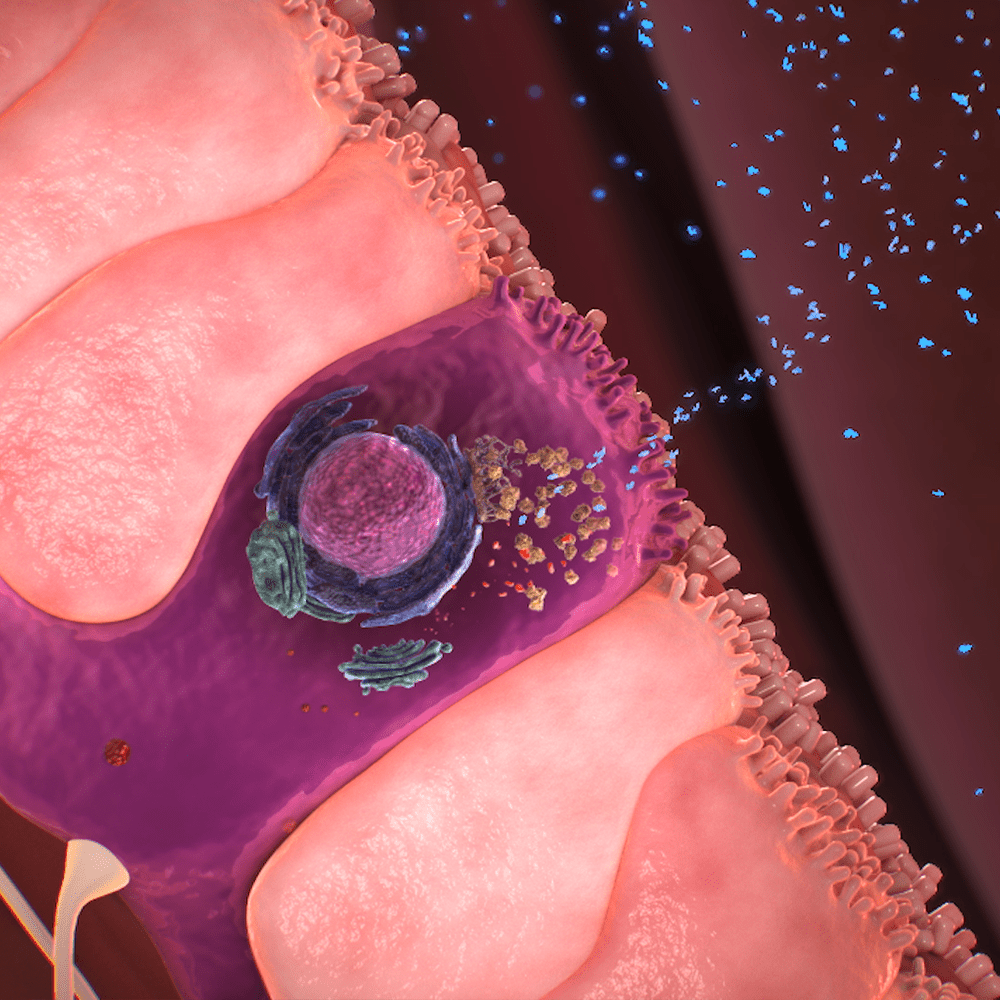
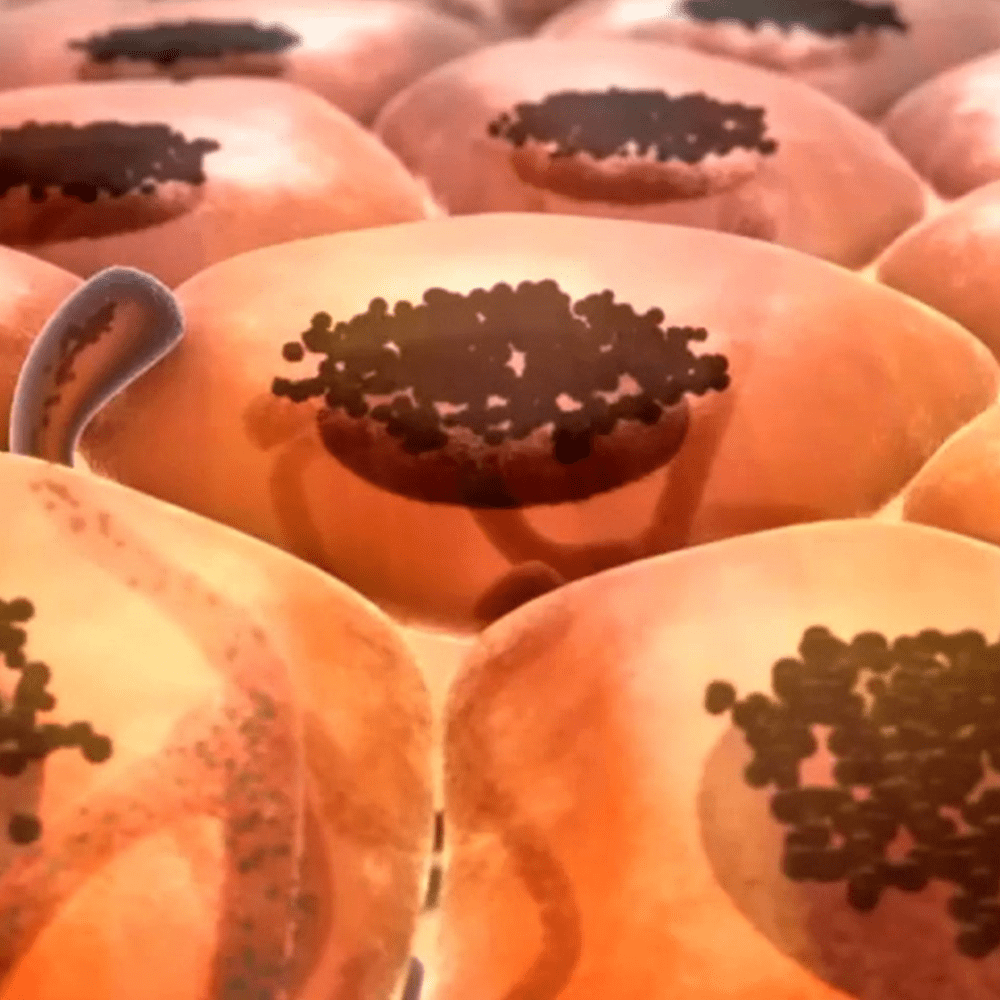
XVIVO and Novocure have teamed up to illustrate their breakthrough technology for the non-invasive treatment of solid tumors. Tumor Treating Fields, or TTFields, are alternating electric fields that disrupt and trigger death of cancerous cells.
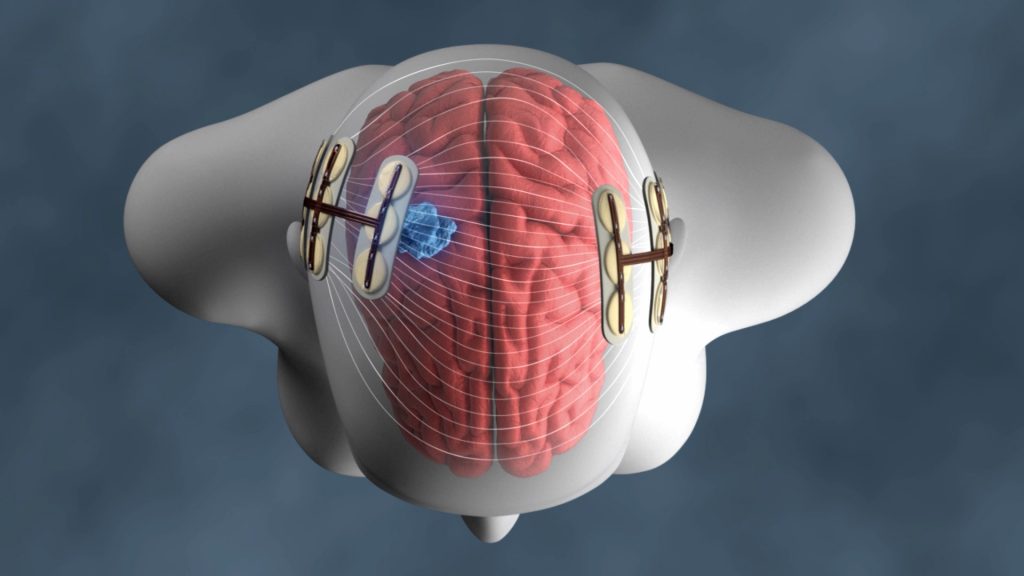
TTFields are non-invasive and function through non-chemical means. The electric fields are produced using two pairs of transducer arrays, and rely solely on physical forces to disrupt cell division. High frequency alternating electric currents cause polarizable macromolecules to align with the field, arresting molecules and mechanisms necessary for cell division.
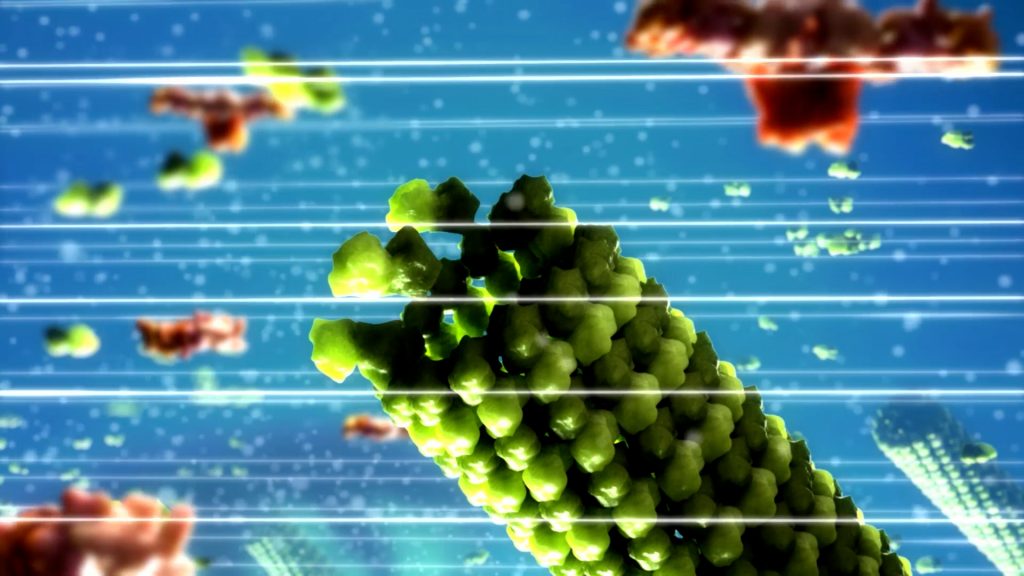
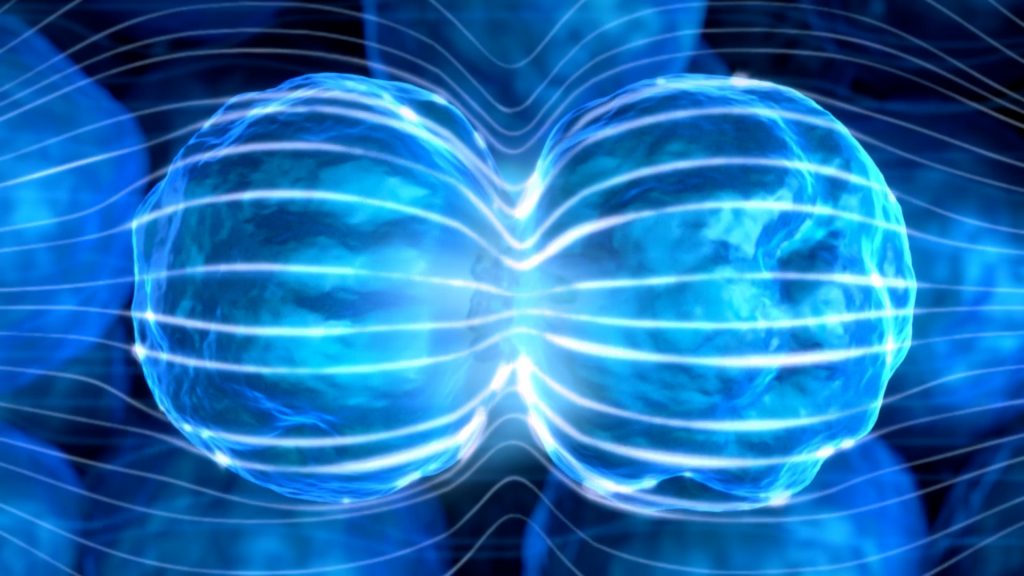
Concurrently, high electric field densities caused by the shape of dividing cells cause organelles to migrate to the mitotic furrow, causing structural disruption. By alternating the direction of the currents between two pairs of arrays, a maximal range of cell orientations can be targeted for disruption.
The specificity and low-toxicity of TTFields makes it an attractive option for treating solid tumors. It is currently approved for use in the U.S. and Europe for the treatment of glioblastoma multiforme, an extremely aggressive brain cancer, alongside conventional therapy.
Related Animations