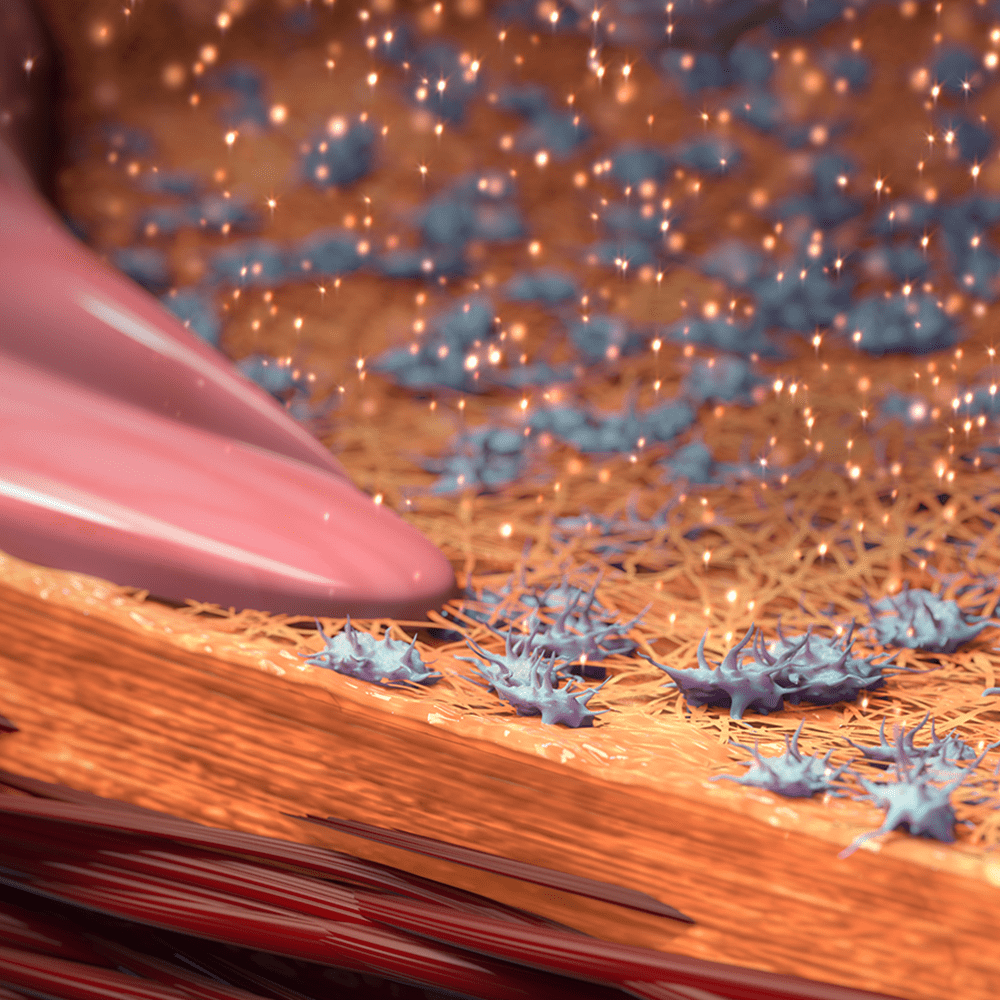
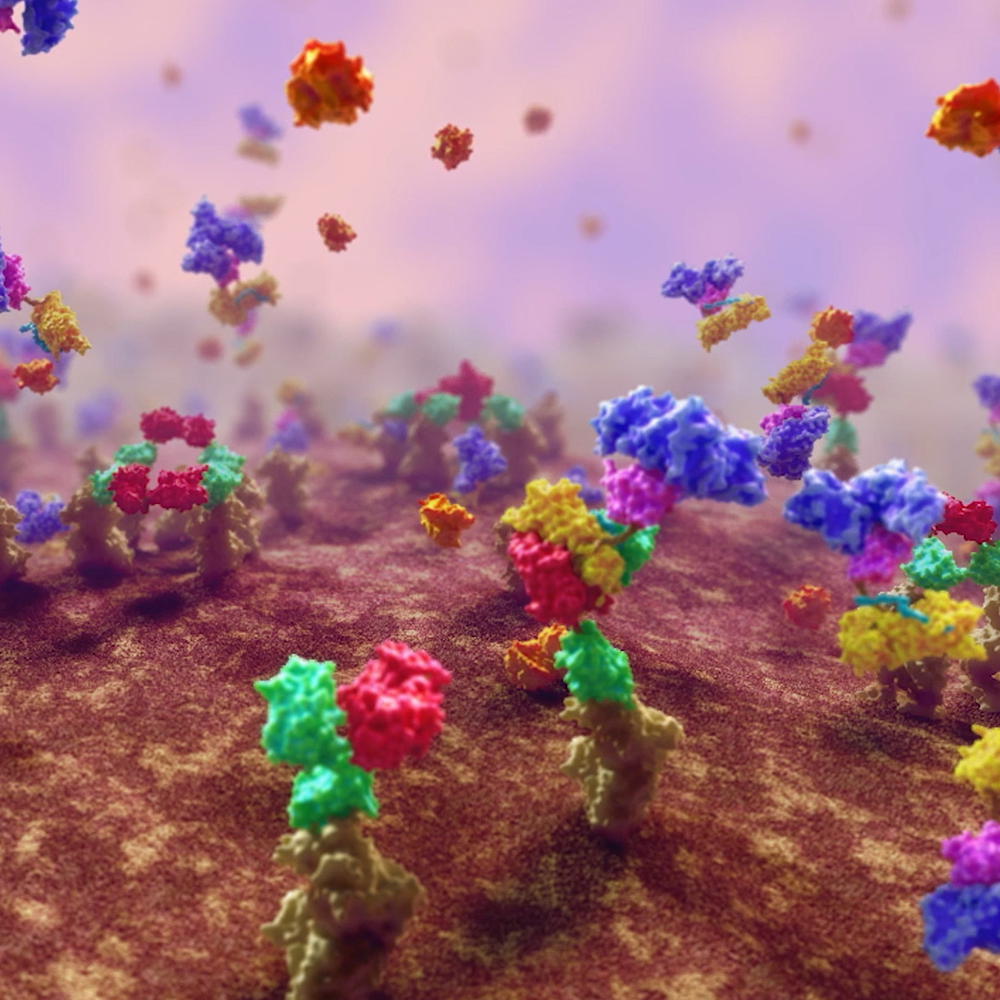
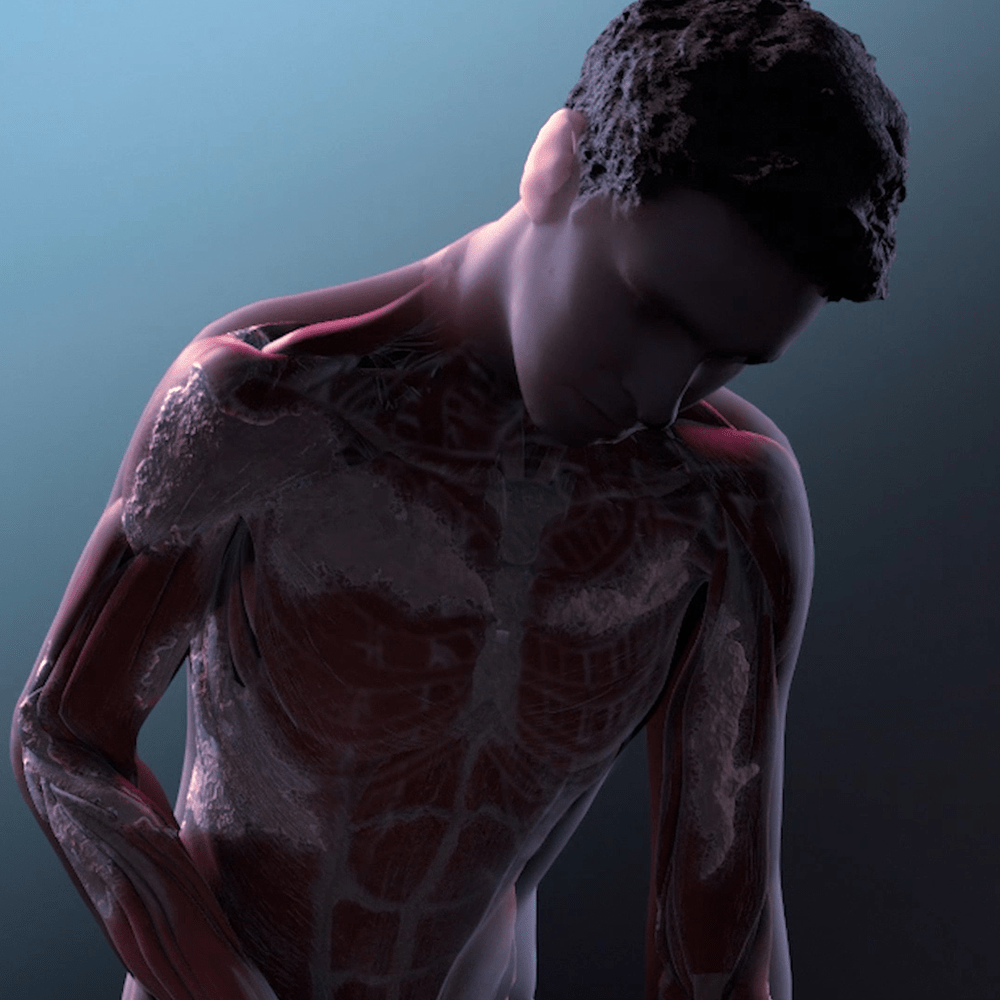
The biopharmaceutical company Arvinas Inc. has taken a unique approach to develop investigational therapies for hard-to-treat diseases, including cancers. XVIVO, in collaboration with Wyant Simboli and their client, Arvinas Inc., helped communicate the unconventional mechanism of action for a new class of drugs that engage the body’s own protein disposal system to target cancers and other difficult-to-treat diseases.
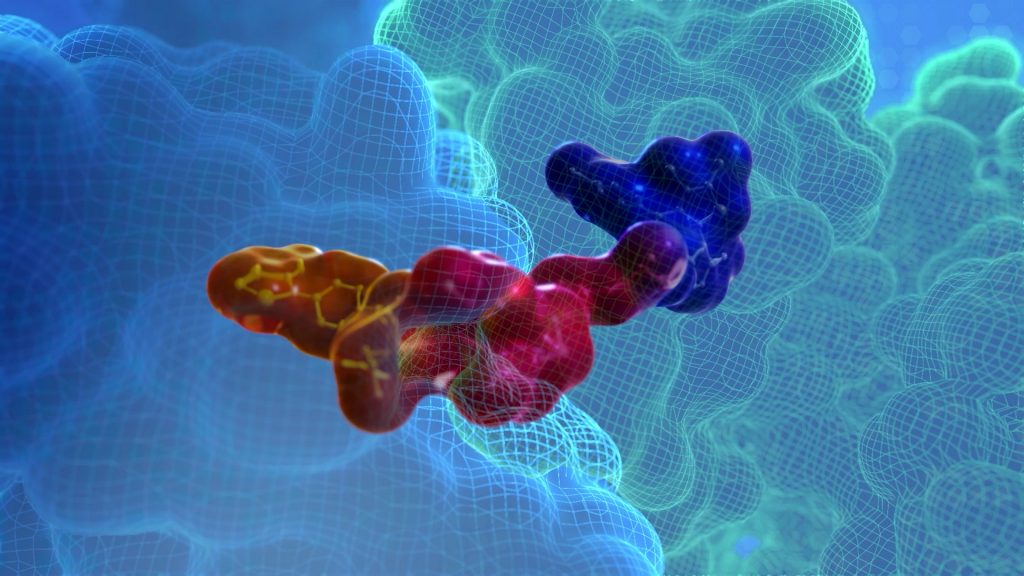
Arvinas’ approach is to tag a protein implicated in a disease with their proprietary Proteolysis-Targeting Chimera, or PROTAC. PROTACs are small molecules that can be tailored to tag particular proteins. The PROTAC also binds to a naturally-occurring protein that ultimately results in the disease protein being degraded by the body’s natural disposal system.
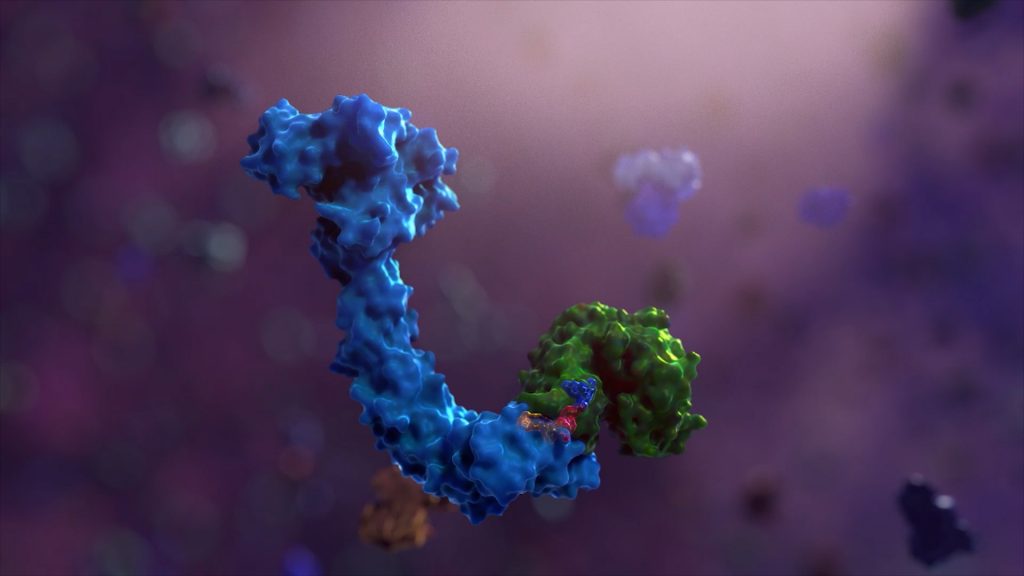
The XVIVO animation showcased the multiple steps in the natural pathway for protein degradation and the tunable structure of the PROTAC molecule. The animation gave Arvinas a crucial tool to accurately and succinctly illustrate the PROTAC mechanism of action.
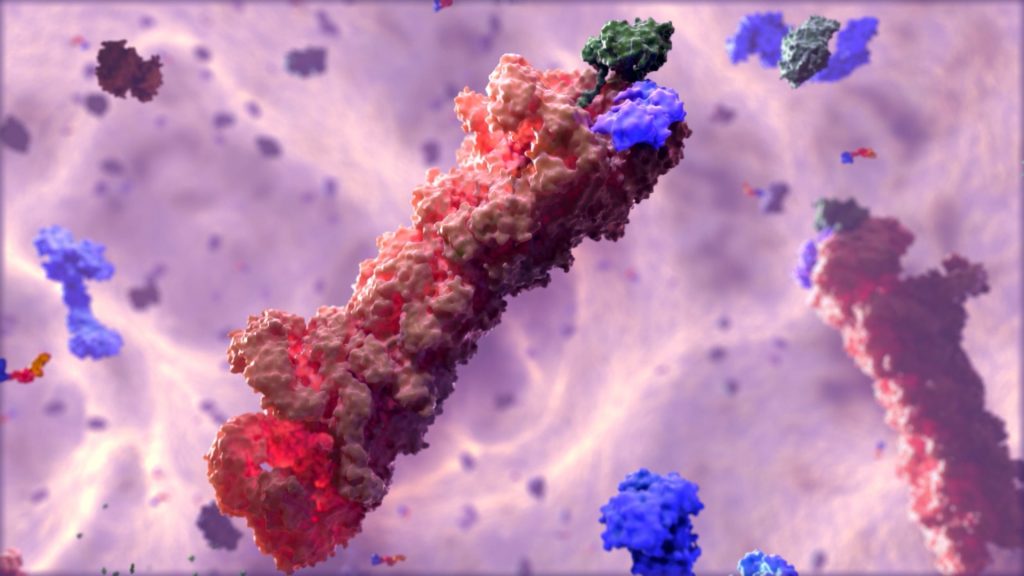
Learn more about this animation in our blog, Illustrating the Unconventional: PROTAC Technology for Disease Therapy.
Related Animations