Type 1 diabetes affects nearly 10 million people worldwide, and that number is expected to hit 15 million by 2040. Most people assume it’s purely genetic, but a group of researchers across Europe have been looking at a different piece of the puzzle, and we got to help them tell that story.
We recently partnered with ENT1DEP, an EU-funded research consortium, to create an animation called “How viruses may cause type 1 diabetes. A hope for prevention.”
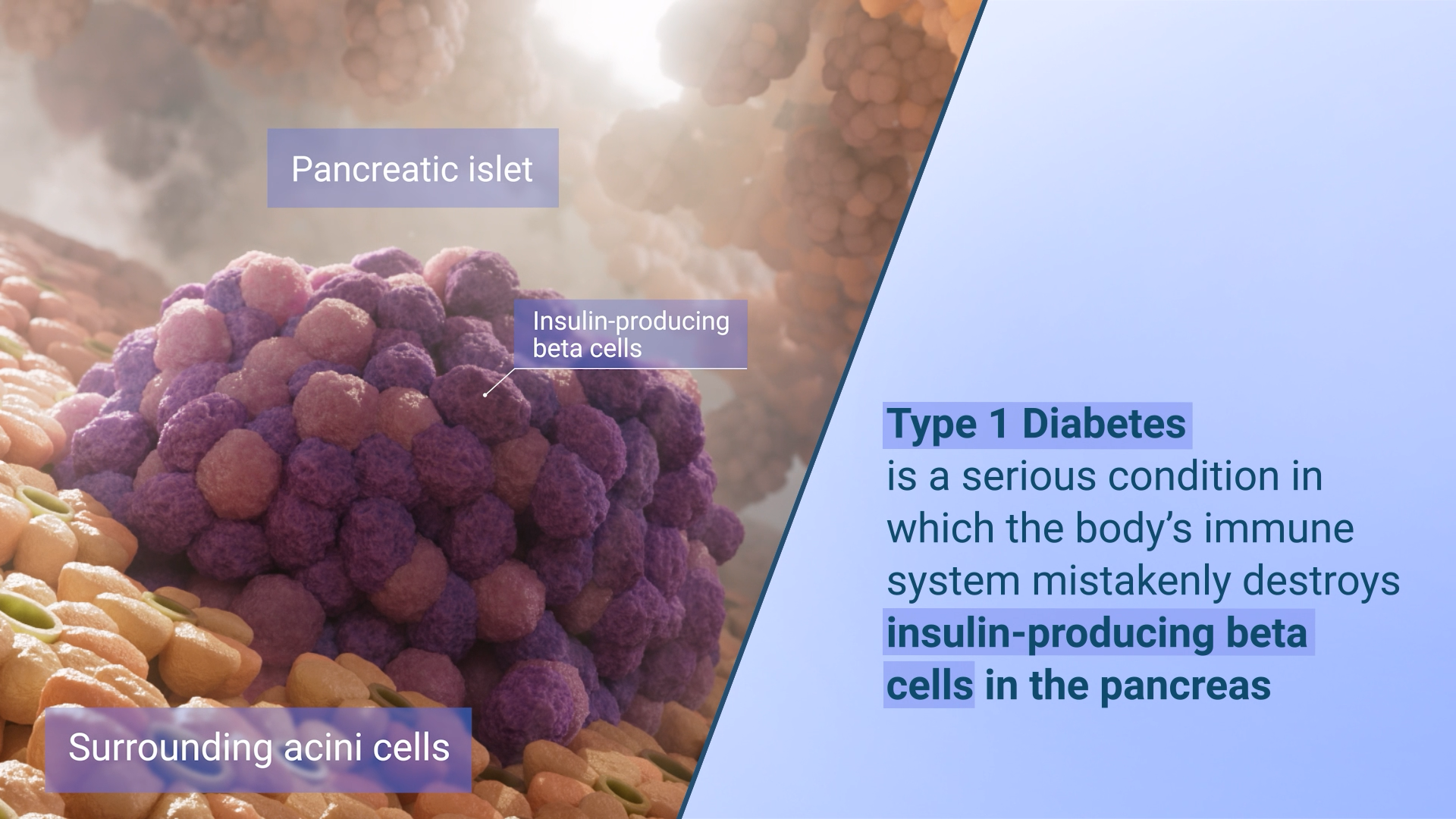
ENT1DEP researchers have been studying enteroviruses, a common group of viruses, as a potential environmental trigger for the disease. The animation walks through how these viruses may infect the insulin-producing beta cells of the pancreas, quietly persist there, and gradually set off the immune response that destroys those cells.
The script was developed by four internationally recognized researchers: Professor Knut Dahl-Jørgensen (Oslo University Hospital), Professor Heikki Hyöty (Tampere University), Professor Roberto Mallone (Université Paris Cité / INSERM), and Professor Sarah Richardson (University of Exeter).
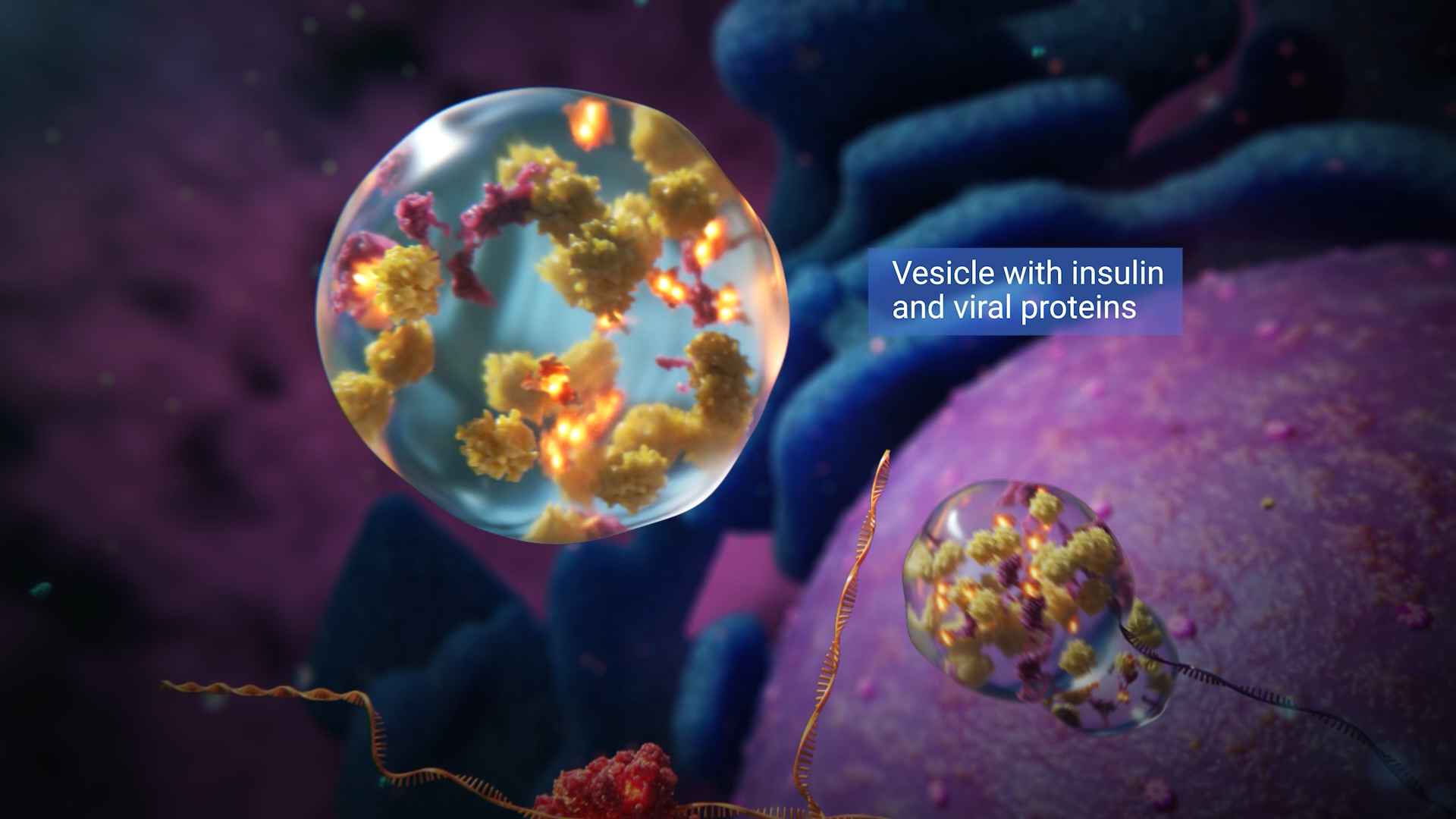
Research is exploring vaccines to prevent enterovirus infection, and antiviral therapies that could eradicate persistent infection before the autoimmune cascade begins.
The science is exciting, the potential public health impact is enormous, and we’re proud to help world-class researchers bring their work to patients and the public.
Learn more about this animation in our PR release: XVIVO Creates Animation for EU-Funded Research Consortium Exploring the Link Between Viruses and Type 1 Diabetes